Open the earned pack
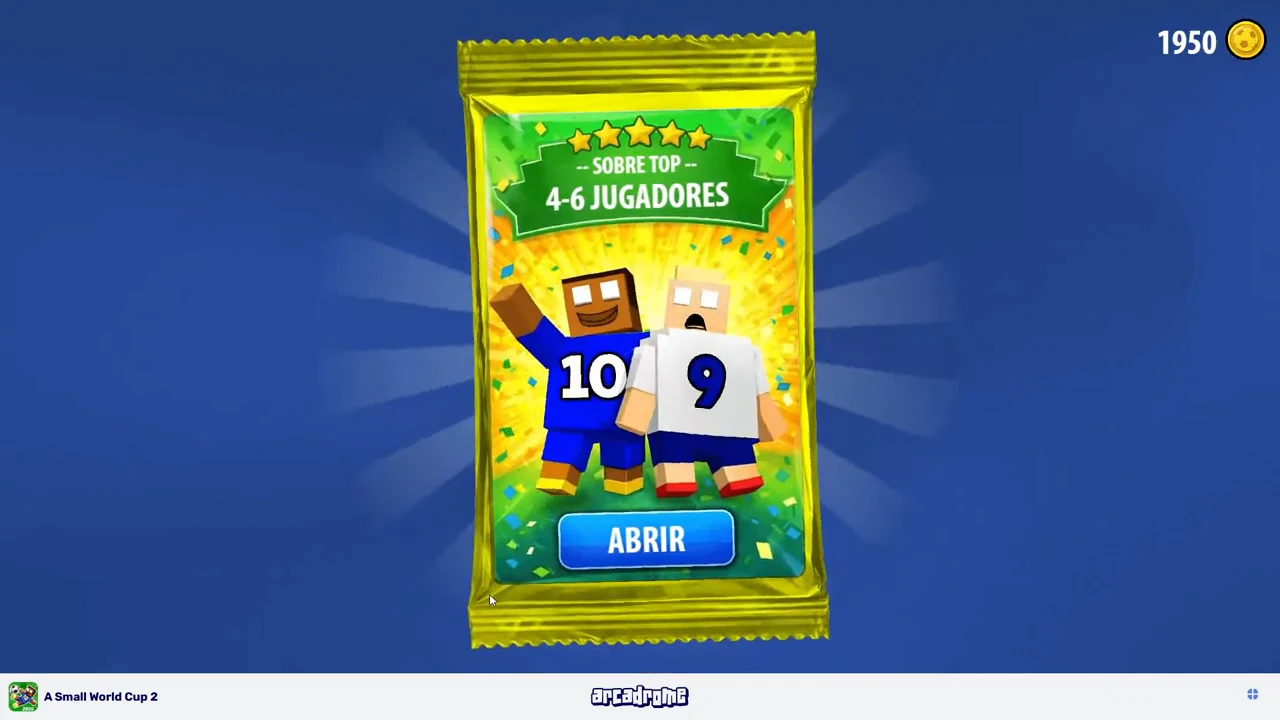
In the recorded cup-reward sequence, the Top pack says 4–6 players and has an ABRIR button. Open the pack and continue through its player reveals to reach the result summary. This is one observed reward opening, not a guaranteed way to obtain a particular club.
Read the club entries in the team row
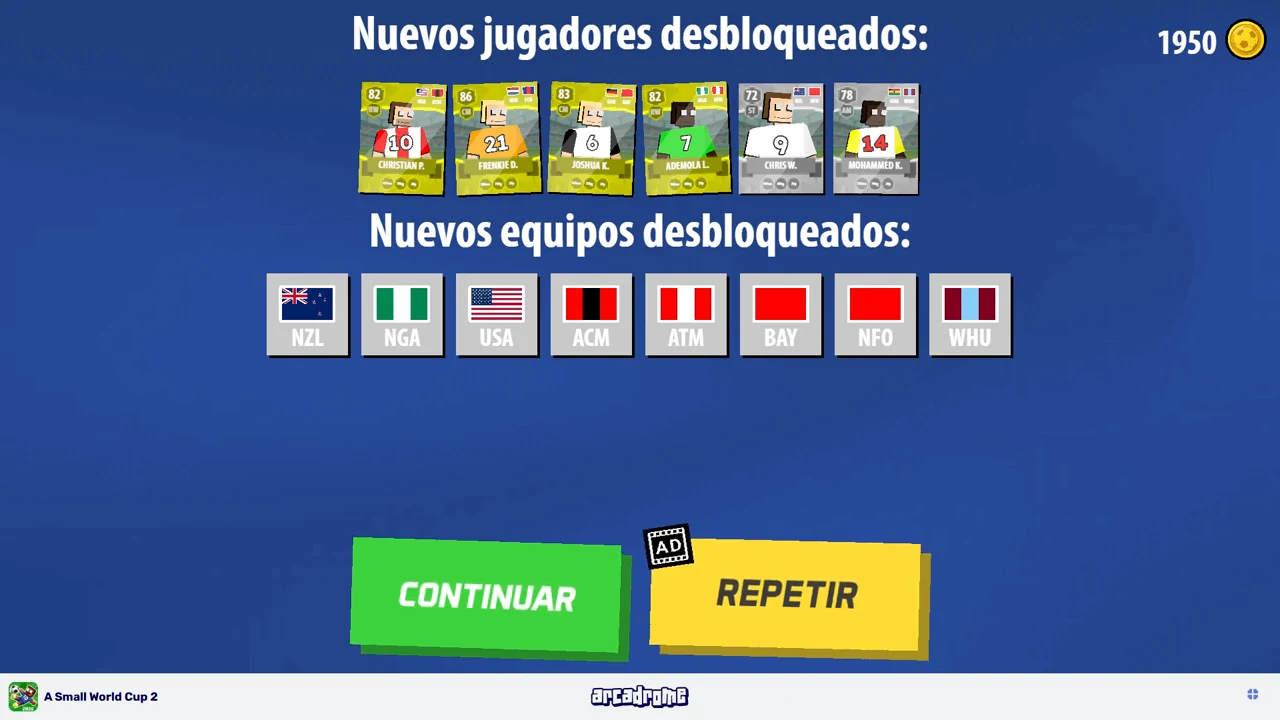
The result lists six new players above eight new teams. Its five club-code entries are ACM, ATM, BAY, NFO and WHU; the other three entries carry the national flags for NZL, NGA and USA. Count club additions from that team row rather than treating every new player as one new club.
| Result entry | Record it as |
|---|---|
| ACM | Club code |
| ATM | Club code |
| BAY | Club code |
| NFO | Club code |
| WHU | Club code |
| NZL / NGA / USA | Country codes, kept outside the club subtotal |
Keep country and club fields separate
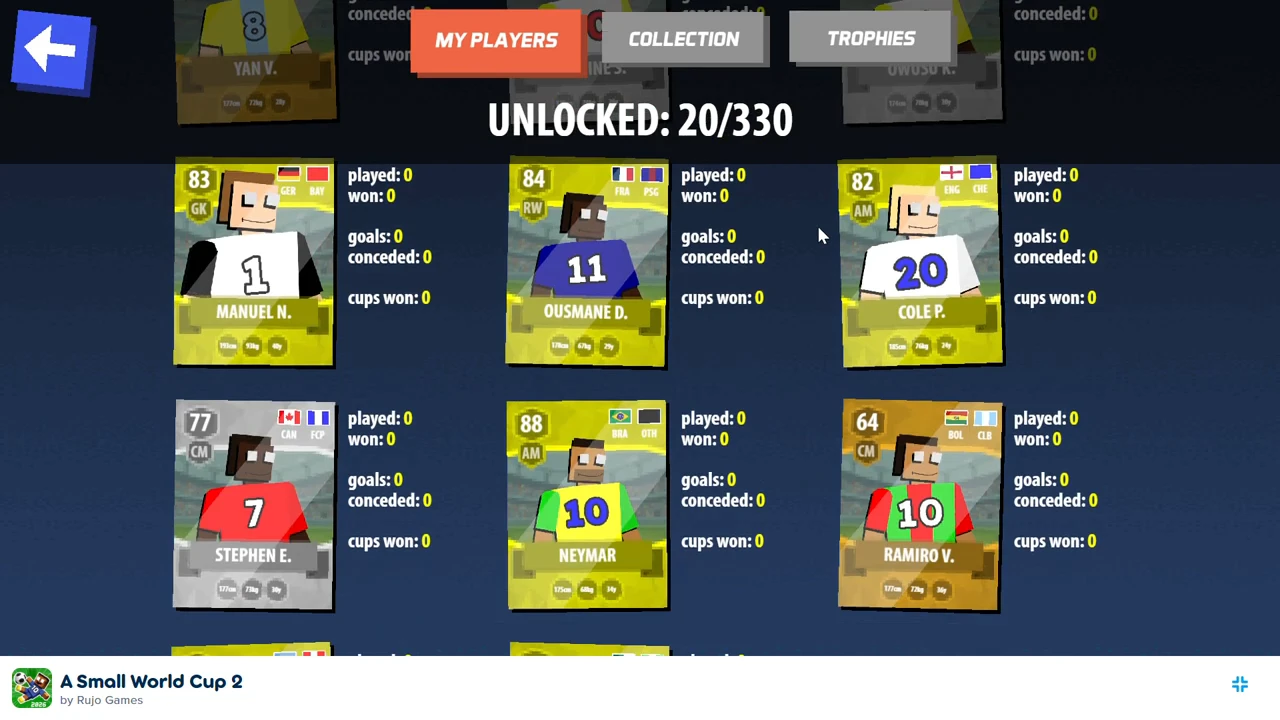
A separate owned-card recording shows Manuel N. with GER and BAY, Ousmane D. with FRA and PSG, and Cole P. with ENG and CHE. Use the name plus both printed codes when recording a card: its country code does not replace its club affiliation. BAY appears in both examples, but these are different recorded accounts; the owned-card image is not the post-opening state of the first account.
Save a useful collection record
Keep a small checklist with the session or build, the newly shown club codes and the owned card you later confirm. Leave the confirming-card field blank until you have actually checked it. This avoids joining unrelated accounts or guessing a full club name from an abbreviation.
- Before leaving the result, save its screenshot or copy its club-code entries into your checklist.
- Use CONTINUAR after recording the result.
- When you next inspect your own collection, match the card name and both affiliation codes to your notes; record discrepancies instead of marking an unseen card as owned.
Scope of this example
The five codes are the club entries in this opening, not a complete club directory or a drop-rate table. The recording does not demonstrate selecting one of these newly unlocked clubs for a match. The checklist preserves your observations; it does not establish game-save persistence across devices or sessions.