Cards · UPDATED SEPTEMBER 2, 2026
How to Read and Compare Card Stats
A source-tracked how to read and compare card stats guide with a reproducible route, visual checkpoints, and clear current-version limits.
For how to read and compare card stats, start from the current official game identity, record the visible baseline, change one factor, and keep the result dated. Do not rely on a numerical claim that the current client or official source does not support.
What official sources confirm about How to Read and Compare Card Stats
The official Poki page confirms one-versus-one ragdoll football, packs after matches, more than 280 collectible player cards, roster building, team unlocks, and local multiplayer on one device. The official Google Play listing additionally describes 160 national and club teams and tournament runs of different lengths. This citation anchor is applied specifically to how to read and reconcile card stats; it does not automatically validate a neighboring page or a broader database published detail.
For how to read and contrast card stats, that official description establishes the gameplay layer boundary but not every answer a player might search for. This page therefore separates named features from unverified details. A gameplay layer being advertised does not prove a hidden probability, a full database row, a universal ranking, or the matching finding in every service build. Read the sources at the bottom when the game surface appears to disagree.
Set a clean baseline for How to Read and Compare Card Stats
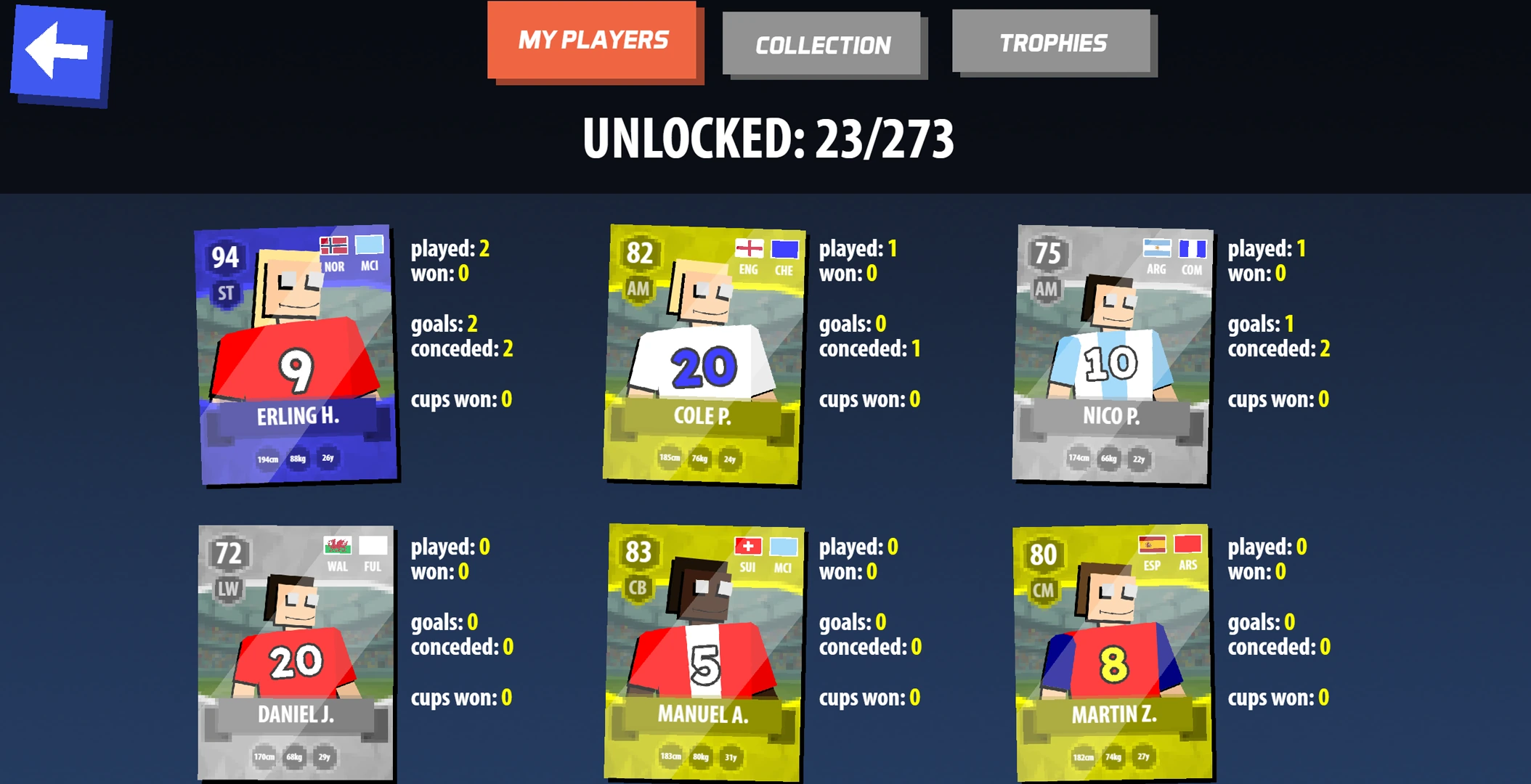
Begin the how to read and reconcile card stats inspect from a situation you can describe later. Open the interface or run directly connected to how to read and reconcile card stats, then include the game service, player-facing game or patch level label, location or menu, equipped choices, and any active event or temporary modifier. A capture is most useful when another player can understand what happened immediately before it, not when it is cropped into an unexplained number.
Next, record the presented starting setup before changing how to read and measure card stats. Do not adjustment several upgrades, cards, items, routes, or settings at once. A controlled baseline makes an old note easy to retest after an update and prevents a lucky run from becoming a false rule. If a required label is not presented, leave the corresponding field unconfirmed instead of borrowing a figure from a nearby item or an older run note.
Use the official image as a How to Read and Compare Card Stats map
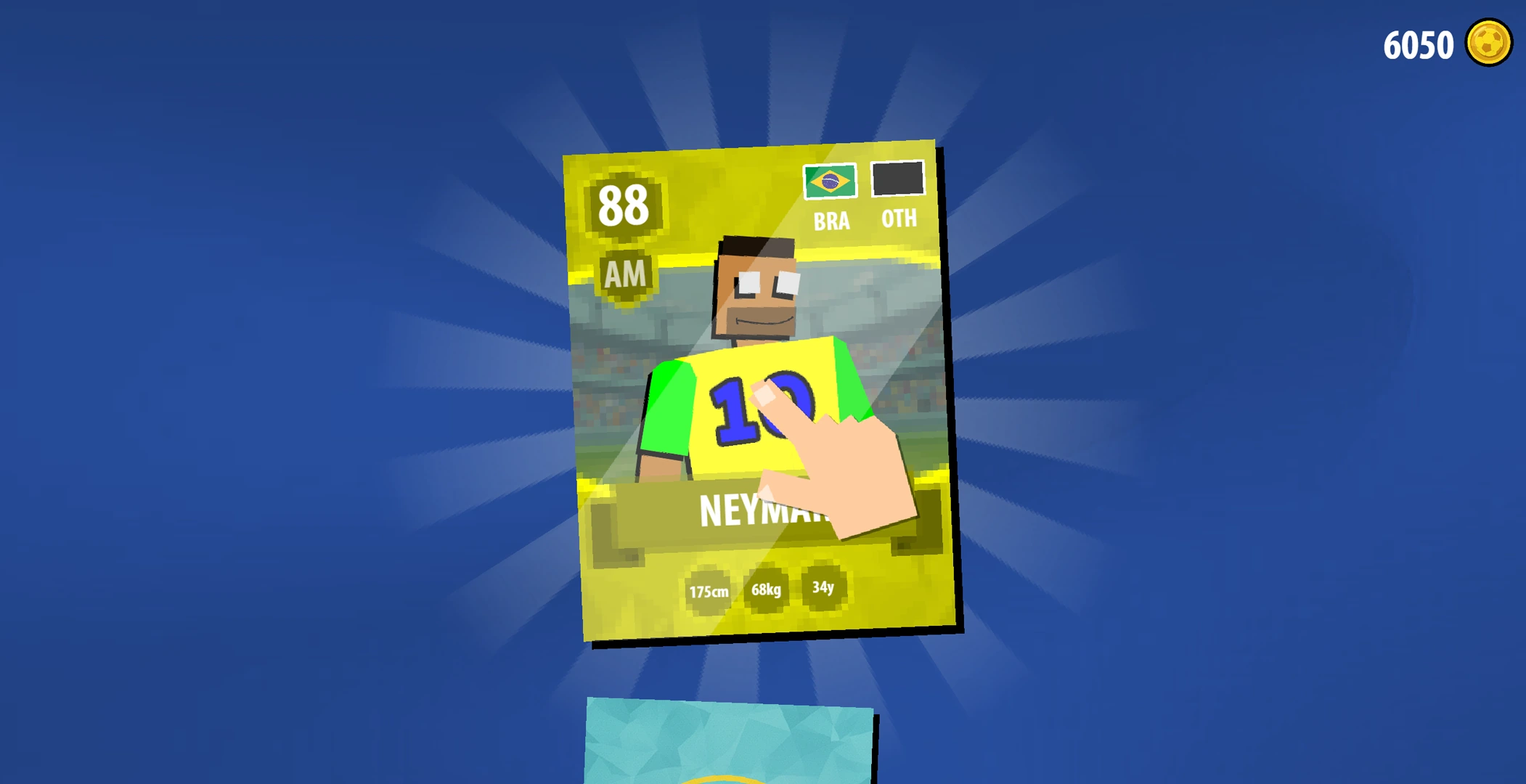
The nearby official game image is a recognition aid for how to read and weigh card stats. work from it to identify the art style, interface family, environment, collection surface, or activity shown by the publisher. It does not independently validate every number, reward, unlock, or object exposed in the frame. Promotional media may also show a build, language, or account context different from yours, so match the relevant page before following the workflow.
When the image and your how to read and contrast card stats screen differ, prefer the live client for operational steps and preserve the conflict in the build change log. check whether the mismatch is caused by client family, build, event timing, progression, or a simple layout difference. This approach keeps visual guidance useful without pretending that an official marketing reference image is a complete mechanical specification.

Run a reproducible How to Read and Compare Card Stats test
operate with this three-step sequence: open the interface or sequence directly connected to how to read and review card stats; write down the shown starting starting state before changing how to read and review card stats; then revision one factor, repeat the same how to read and review card stats read, and leave the dated response. leave the sequence short enough to repeat. The goal is not to manufacture certainty but to discover which shown condition changes the response. If the same starting state produces a different outcome, treat randomness, server starting state, or an undisclosed rule as an open question rather than silently averaging unlike observations.
A reproducible how to read and experiment card stats note contains the input, action, output, and failure situation. Input describes what was selected or carried. Action describes the specific interaction. Output records what the game displayed. Failure situation explains what prevented completion. This structure is more durable than a long list of tips because a player can locate the step that no longer matches and stop before wasting additional time or currency.
Make the How to Read and Compare Card Stats decision from the bottleneck
Choose the next how to read and reconcile card stats action by identifying the bottleneck shown in your session. Waiting, missing access, insufficient capacity, an unclear method, a full inventory, or a edition mismatch are different problems and should not receive the same recommendation. reconcile one candidate against the present obstacle, not against a broad best-in-game label that may mix progression stages, temporary bonuses, and personal play style.
Write one decision sentence before spending or committing: 'I am changing this how to read and compare card stats factor because the observed limit is this specific condition.' After the alteration, repeat the same trial path and document whether the limit moved. If it did not, preserve the failed trial. Negative results prevent the next player from repeating the same assumption and are part of the proof record rather than an embarrassment to delete.
Avoid common How to Read and Compare Card Stats evidence mistakes
Do not treat search snippets, video titles, thumbnails, distribution channel votes, or another site's unsourced table as proof for how to read and contrast card stats. Those materials can reveal questions worth testing, but they usually omit the named build, account starting state, event window, and surrounding modifiers. A copied number can look precise while answering a different client state or even a different experience with a similar name.
Also maintain related fields separate. Price is not the same as rate; rarity is not guaranteed strength; availability is not an unlock condition; a named interaction is not a published formula. For how to read and evaluate card stats, each field needs its own origin or observation. When two sources disagree, display the disagreement or maintain the field undetermined until a running, reproducible response resolves it.
Retest How to Read and Compare Card Stats after updates
Recheck how to read and compare card stats when an official description, patch note, event label, client edition, menu, or database panel changes. Start with the smallest affected published detail instead of rewriting the entire handbook. Identity and broad game-loop facts may remain stable while prices, rewards, order, availability, and interface labels alteration. A narrow dependency map keeps maintenance fast and makes the checked date meaningful.
During the retest, preserve the previous how to read and weigh card stats observation with its date and mark the replacement explicitly. Do not overwrite history in a way that makes an old visual record appear running. If the new build cannot be reached on every distribution channel, baseline which distribution channel was checked and leave parity unknown. This is especially important around launch, Beta updates, and time-limited events.

Final How to Read and Compare Card Stats checklist
Before acting on this how to read and inspect card stats playbook, confirm the corresponding game identity, storefront, version or refresh marker, progression baseline, and any active event. Then verify that the shown labels match the inspect path and that the recommendation addresses your actual bottleneck. maintain enough currency, inventory space, or time to recover from a failed inspect when the game does not provide a reversible preview.
After the result, capture the final how to read and review card stats view and note what changed, what remained unknown, and what should be tested next. If the result contradicts this page, refer to the contact page with the procedure, game service, date, and screenshot. That correction is more valuable than an unsupported replacement quantity because it can be reproduced and attached to the precise reported fact that needs revision.